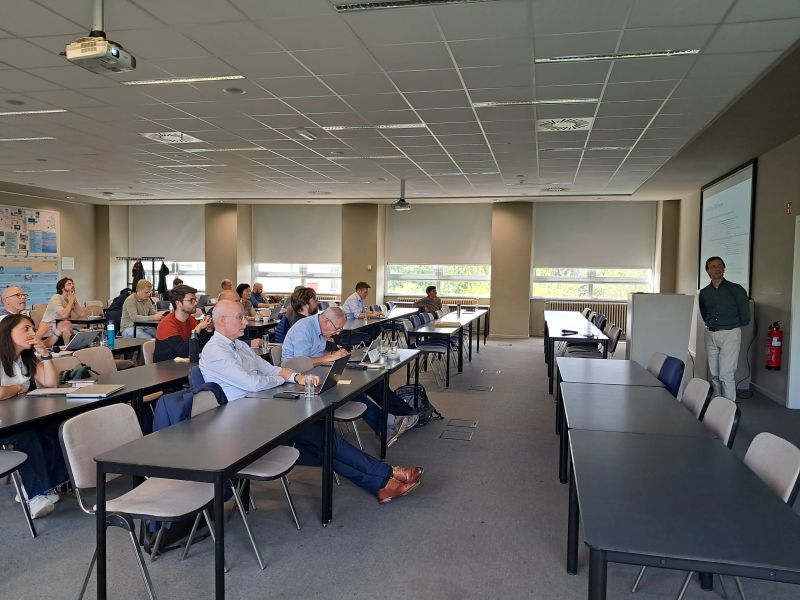
2026 June 04: UGent (with support from CoCooN and Ghent Gravity Group) hosts the FWO-IRI Workshop on GW Optics.
The first in the series of such workshops, this one brings together researchers in four Flemish universities and IMEC, and covers the topics of core optics, optical compoments, and photonics.
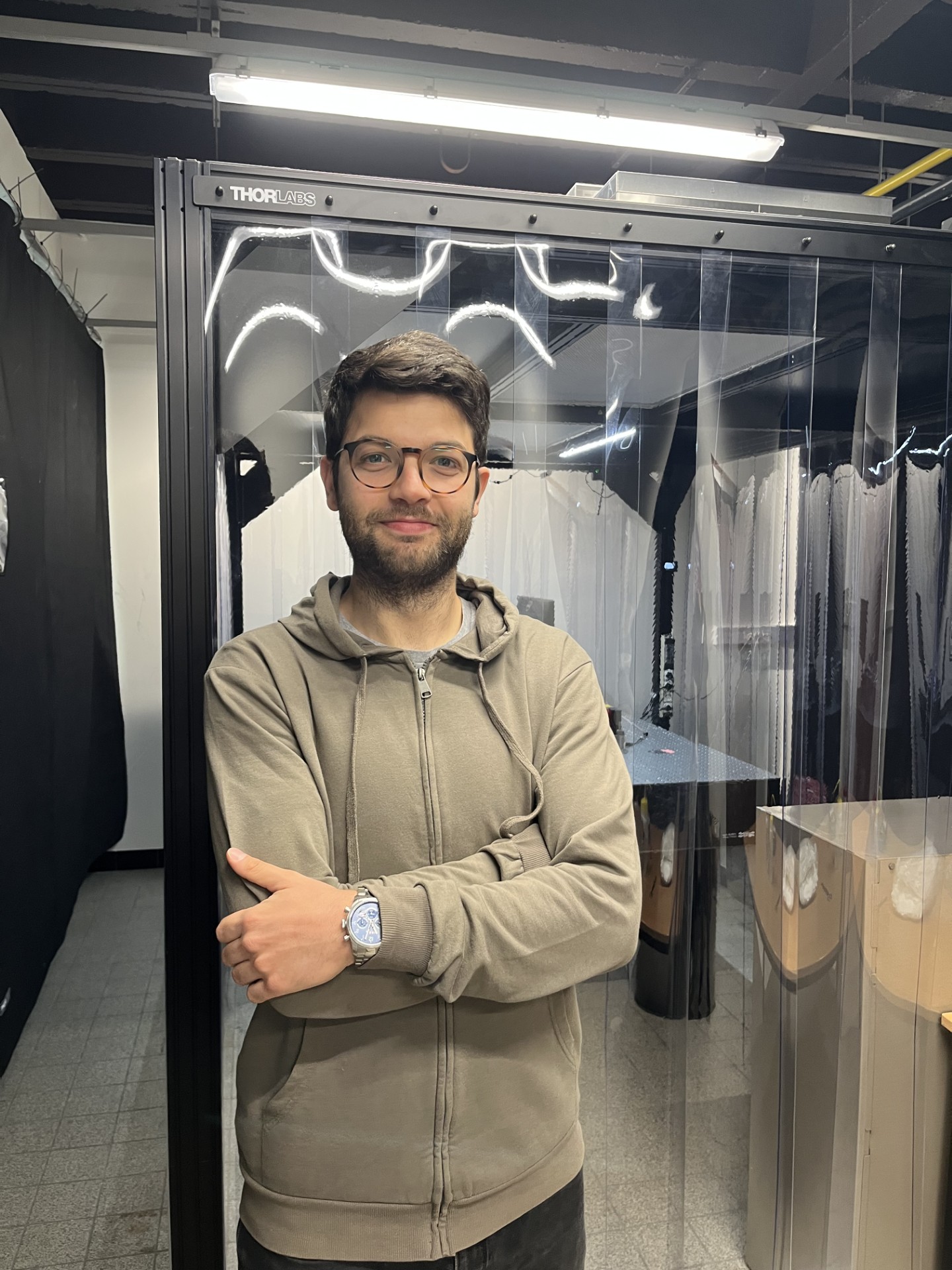
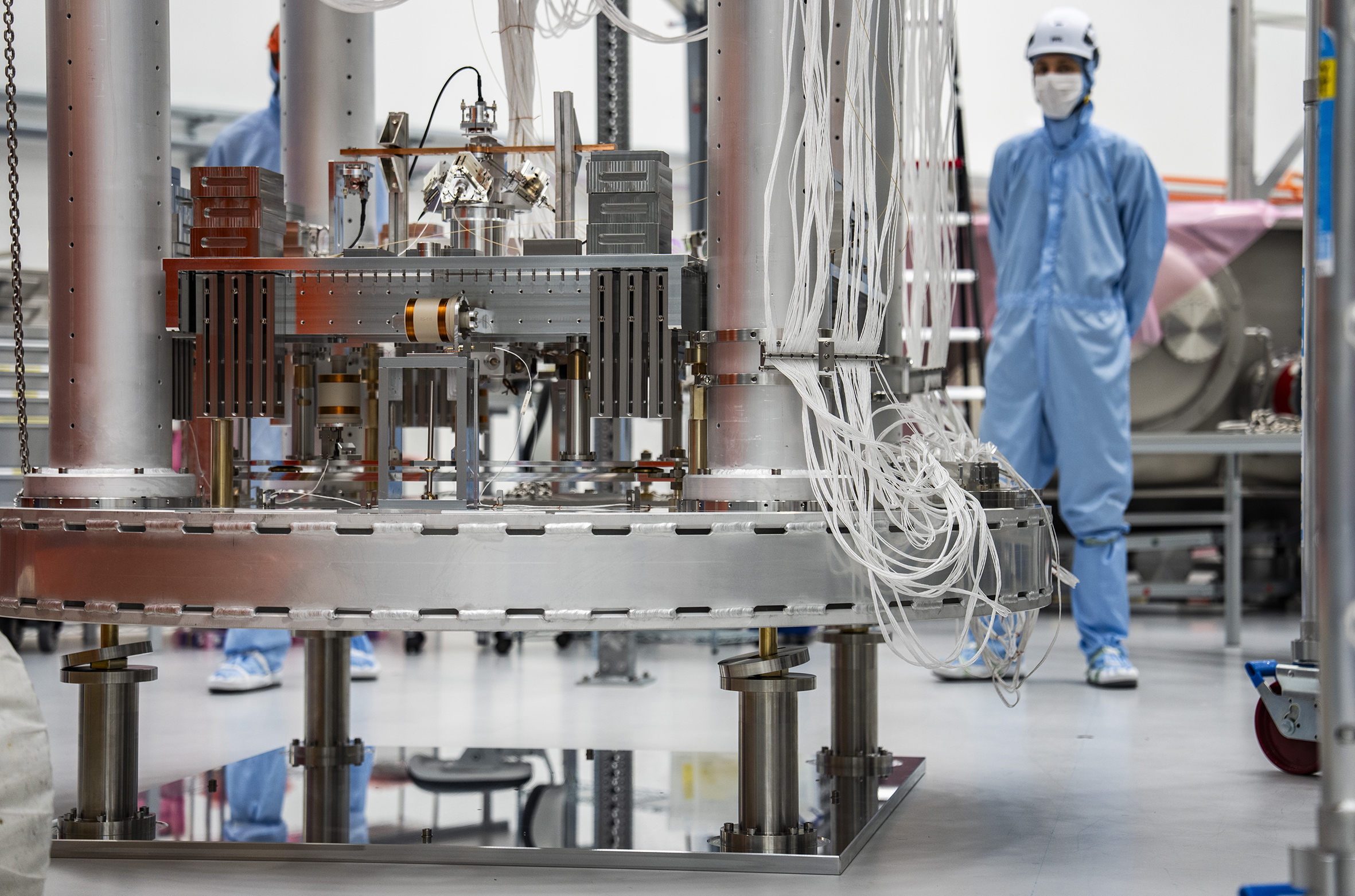
2026 June 01: The ETpathfinder Smart Skills Lab project is launched in UGent with the hiring of technology expert, Francesco De Marco. His expertise is focused on the design and implementation of optical experiments for the reduction of quantum noise in gravitational-wave detectors. Francesco looks forward to the project saying, “ETpathfinder is a highly ambitious project that will further enhance the already impressive level of innovative technology in the Euregio Meuse-Rhine region. This makes it particularly crucial for early-career researchers, who will develop the Einstein Telescope during the next decades, and need to build up a strong scientific preparation, in an international environment. I believe that this opportunity will be a milestone in my scientific career, to strengthen not only my background, but also my project management skills, and the engagement with external partners. It will be an ideal environment to collaborate with local academic and industrial partners, to broaden the scientific and technological capabilities, and pave the way to the ET endeavor.”

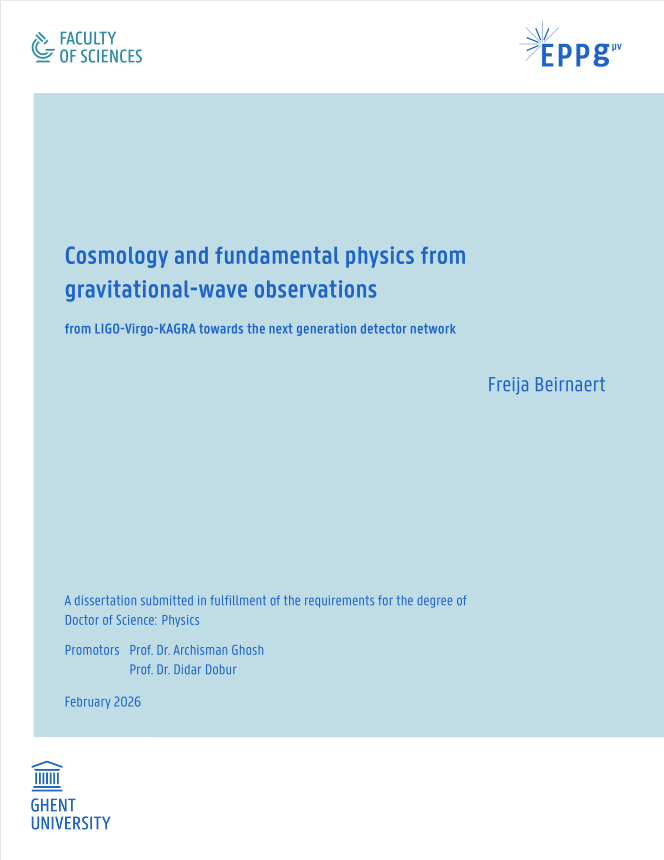
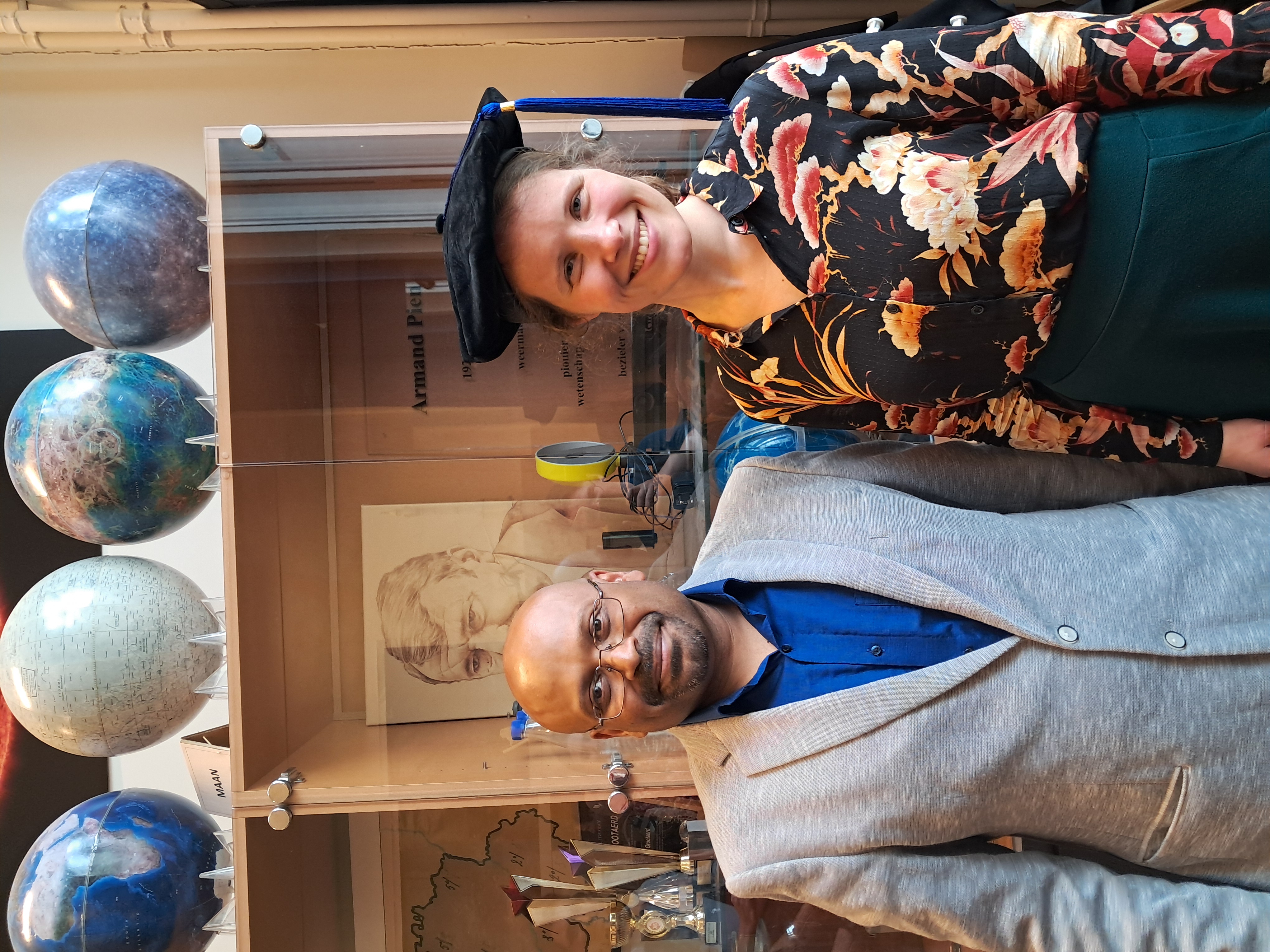
2026 May 05: Freija Beirnaert is now Dr. Freija Beirnaert. She has defended her thesis titled “Cosmology and fundamental physics from gravitational-wave observations.” Immense congratulations to Freija!
2026 March 12: UGent postdoc Matthias Vereecken wins one of the two 2026 LVK Burst group awards, announced at the LVK Collaboration Meeting in Pisa.
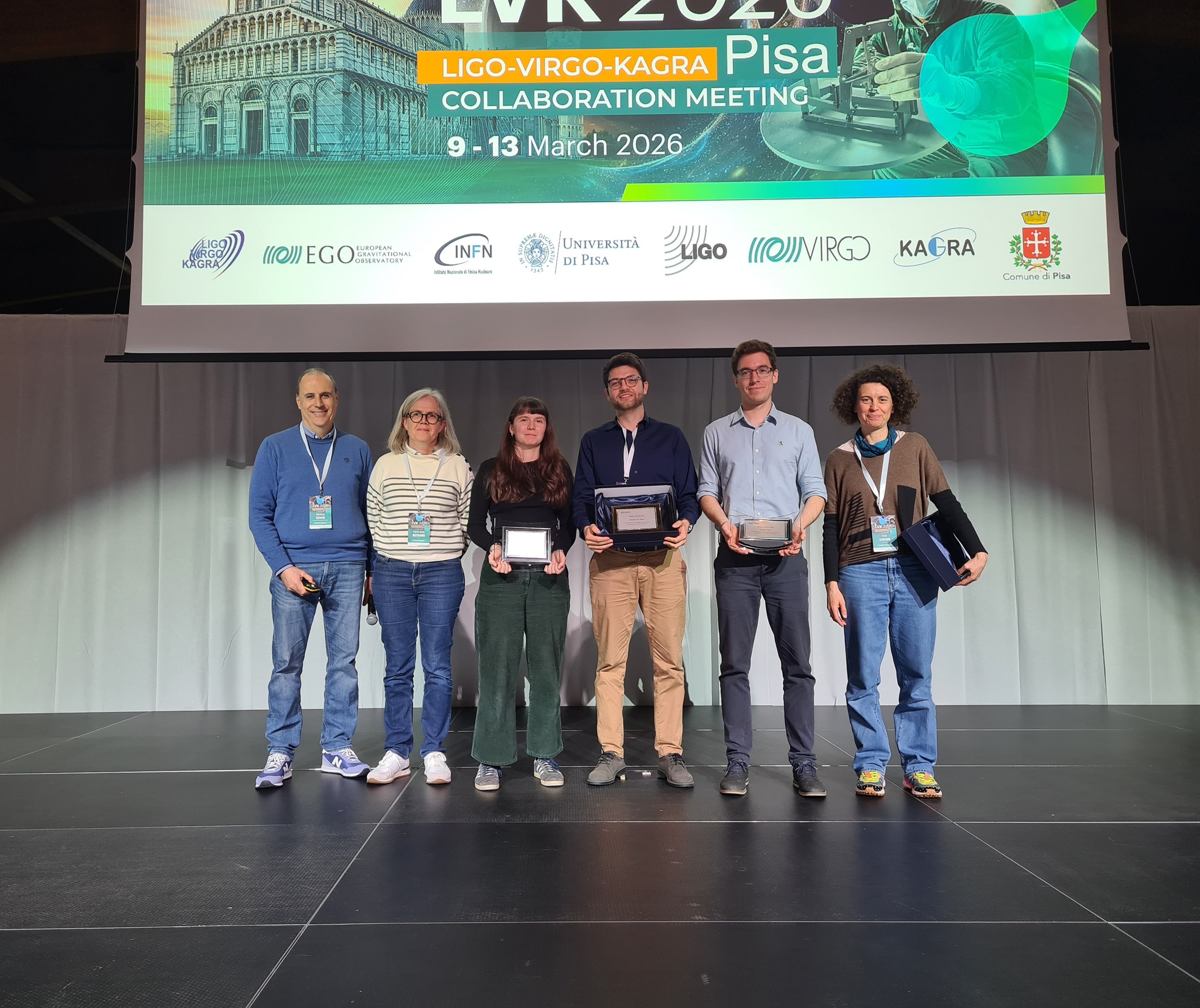
2026 March 12: Two of this year’s three Virgo award winners are Gergely Dálya (former UGent postdoc) and Francesco De Marco (soon to join UGent as an ETpathfinder Smart Skills Lab technology expert).
The award is given every year to selected young scientists of the Virgo collaboration, for their significant contribution to the experiment, and it was created with the aim to highlight the contributions to Virgo science of early career researchers.
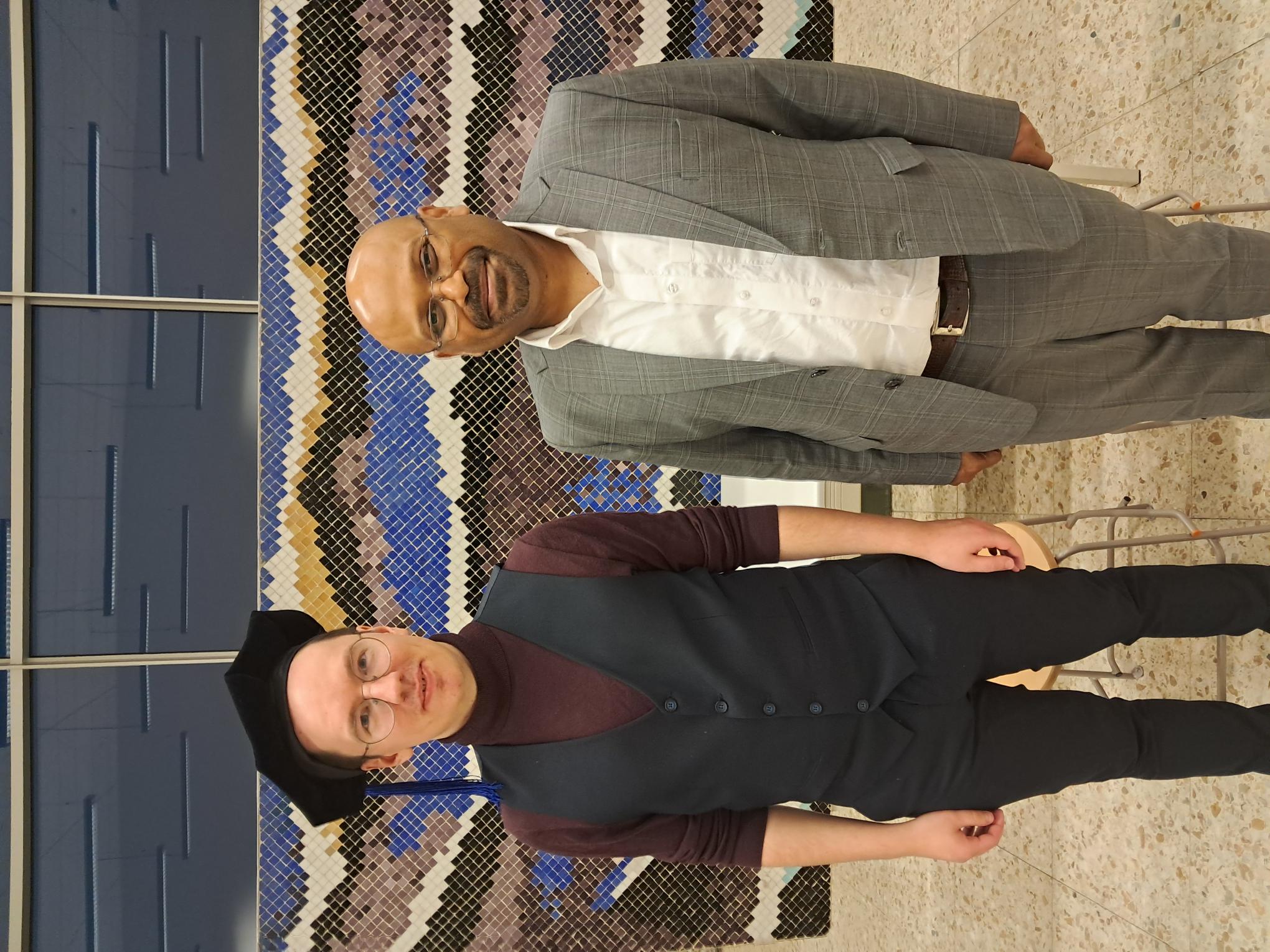
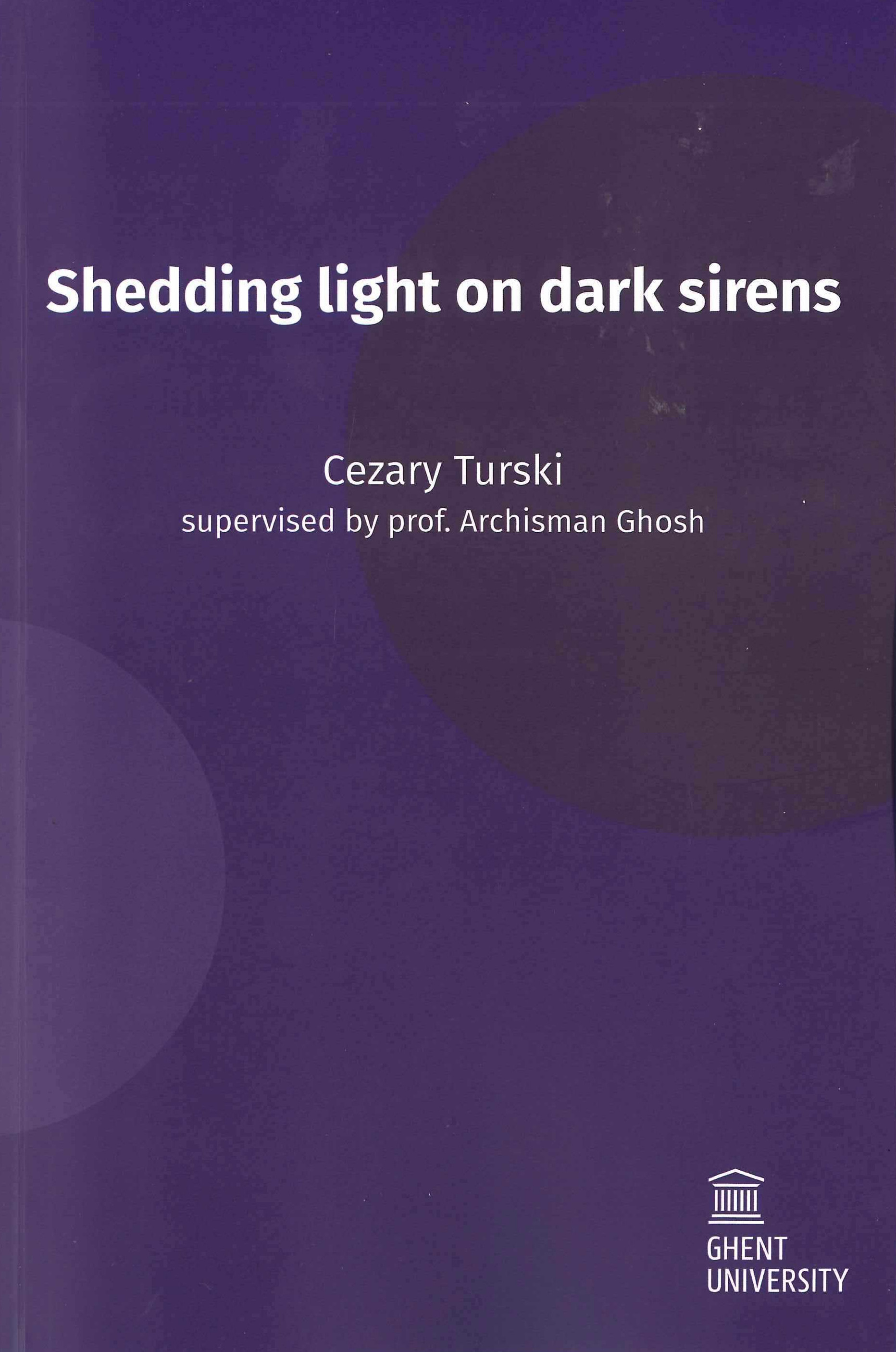
2026 March 06: As of today, Cezary Turski is Dr. Cezary Turski. Immense congratulations to Cezary! He is the first PhD student to graduate from our group. Cezary’s thesis was titled “Shedding light on dark sirens.”
Freija Beirnaert is expected to follow soon. Her public defence is awaited on May 05.
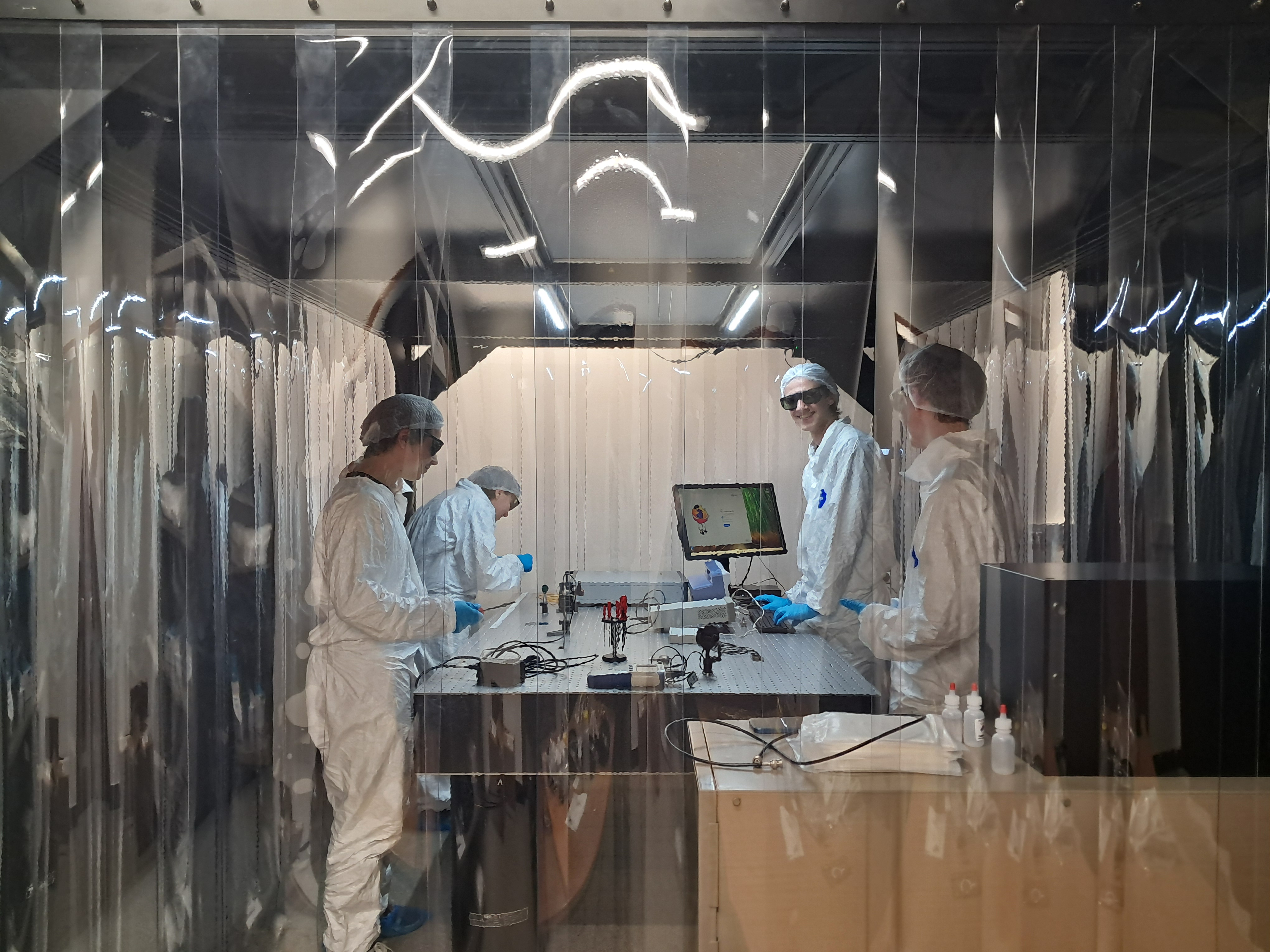
2026 March 04: After a long, long wait, we finally have students working in our 2 μm optical laboratory. A proud moment for our group and congratulations to Daniela Pascucci. These students will characterize various photodetectors for the 2 μm wavelength.
2026 February 23: The ET Roadshow is coming to Ghent! You can find more details on the linked webpage or also read the associated Durf-te-Denken article.
2026 February 05: Former UGent postdoc Gergely Dálya wins a 2025 Virgo Award “for contributions at the forefront of multi-messenger cosmology, specifically in pioneering the combination of gravitational-wave (GW) data with electromagnetic (EM) observations. He led the development of the GLADE/GLADE+ galaxy catalogue, which serves as the primary tool for the LVK’s “dark standard siren“ measurement of the Hubble constant. Effectively acting as the primary point of contact for galaxy catalogues within the LIGO-Virgo-KAGRA Collaboration, he assesses all available EM information to improve GW measurements.”
2025 November 06: UGent postdoc Matthias Vereecken is elected as an Early Career Scientist representative in the Virgo Steering Committee for the upcoming year.
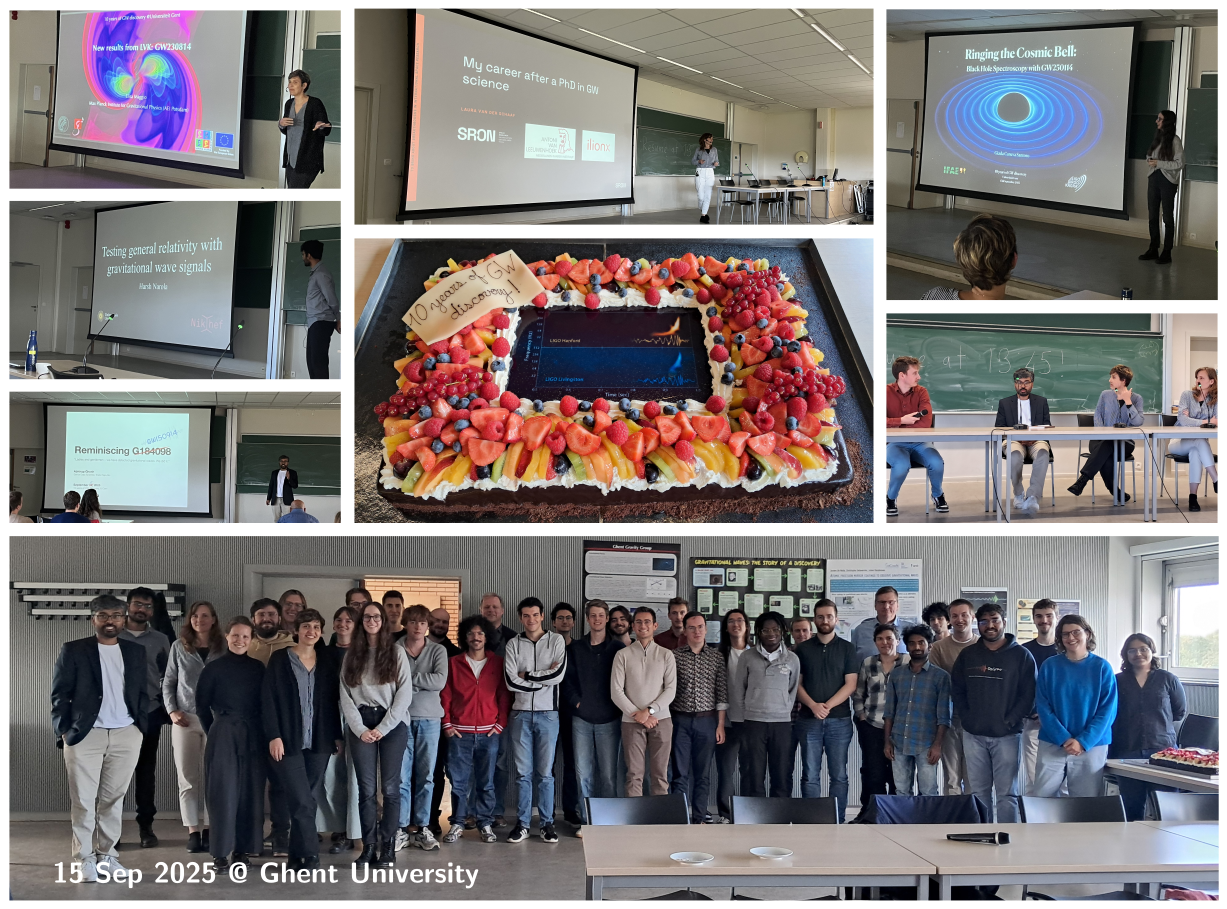
2025 September 15: Ghent Gravity Group hosts an event to celebrate 10 years of the discovery of gravitational waves. We have talks on the first discovery GW150914 and some of the most recent events announced by the LIGO-Virgo-KAGRA Collaboration. We also have a panel discussion on career opportunities in and outside of academia.
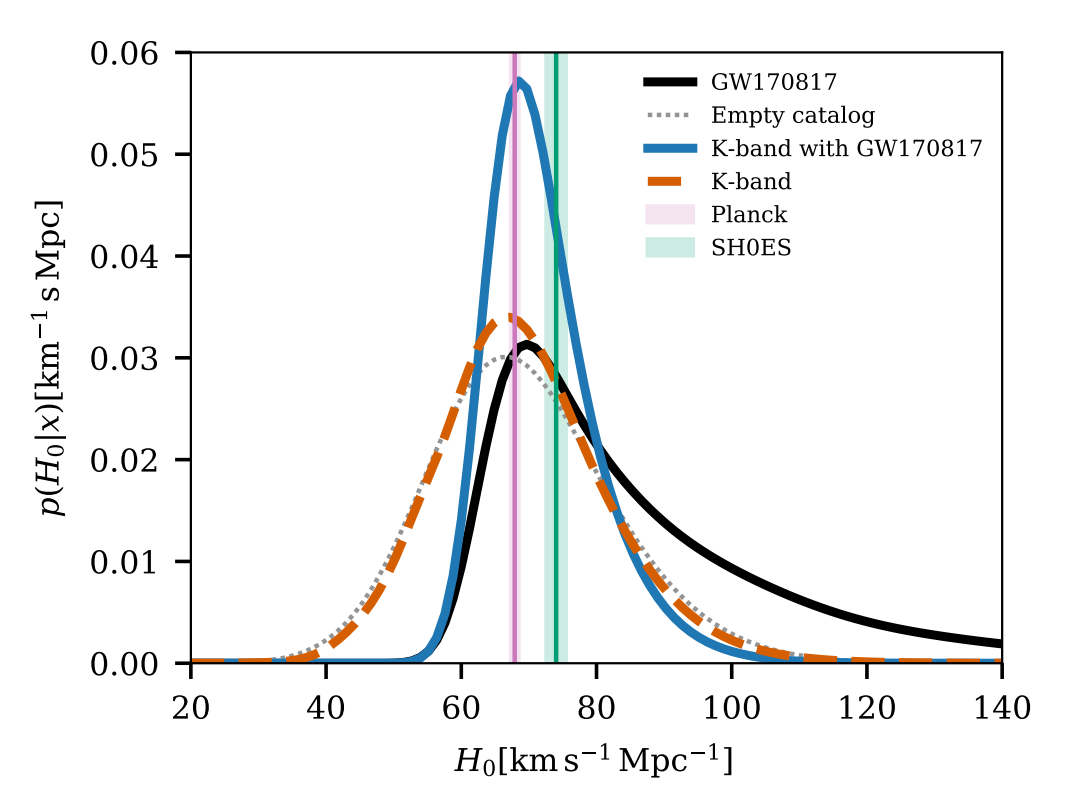
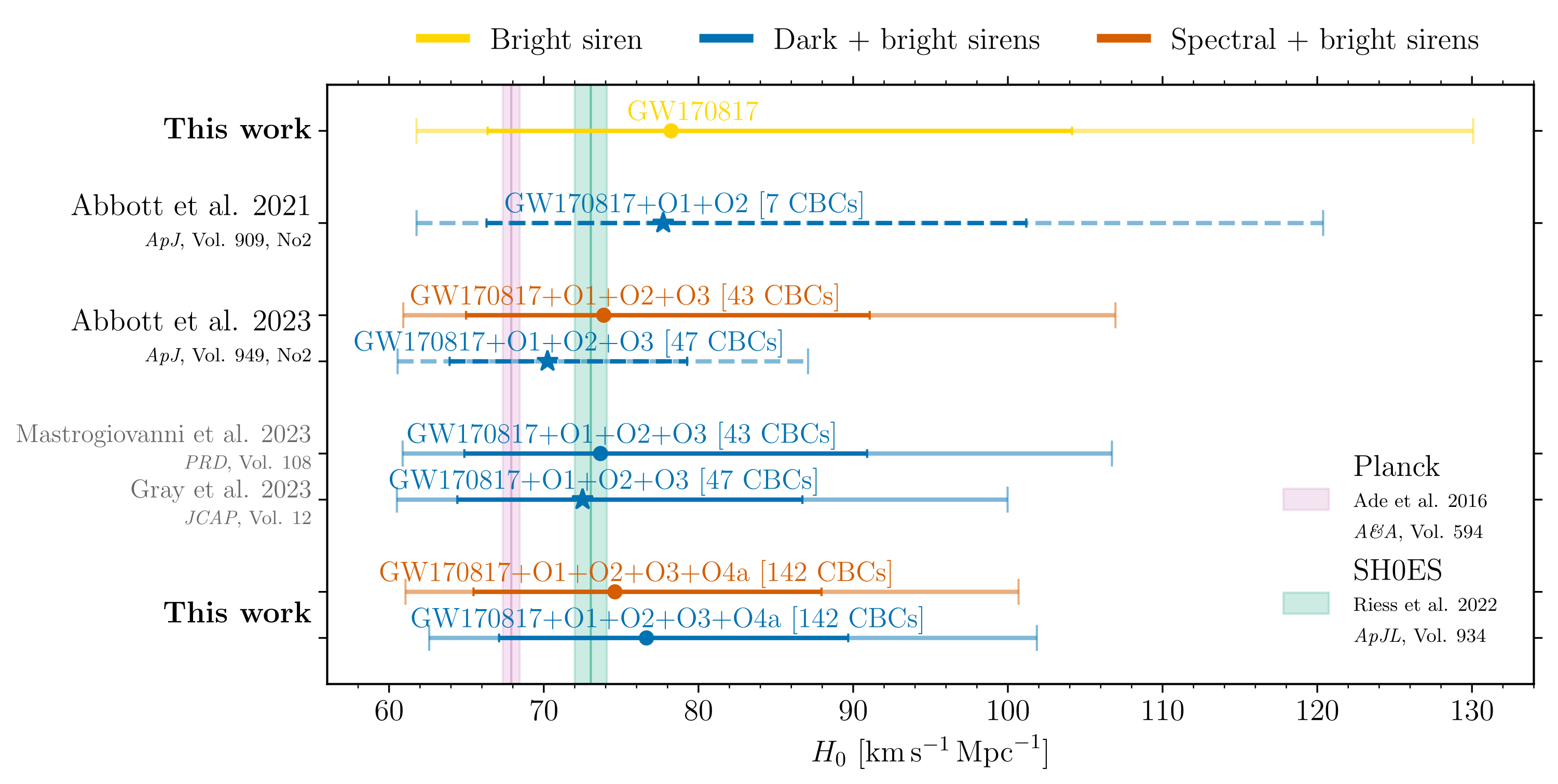
2025 September 05: The LIGO-Virgo-KAGRA Collaboration circulates its measurement of the Hubble constant following O4a, the first part of its fourth observing run. Ghent University PhD students, Cezary Turski and Freija Beirnaert, were in the analysis and paper-writing team which delivered these results. You can read the preprint on arXiv.

2025 August 28: The Ghent Gravity Group is one of the 16 partners of the EU Interreg project ETpathfinder Smart Skills Lab. The group’s expertise in connection with this project is on optics. We recently set up an innovative optical lab for the development of optical devices for 2µm wavelength. Our new lab, along with the expertise we have in the context of optics, gives us a great opportunity to connect to different industrial and educational partners via the ETpf SSL project.
The ETpathfinder Smart Skills Lab receives over €2 million in funding from the European Interreg programme, which promotes cross-border cooperation. The consortium partners are contributing a matching amount. Thanks to this support, regional businesses can rapidly benefit from the technological spin-off of fundamental scientific research, transforming our curiosity about the universe into tangible innovation and economic progress here on Earth.
Read the newsitem on the UGent webpage.
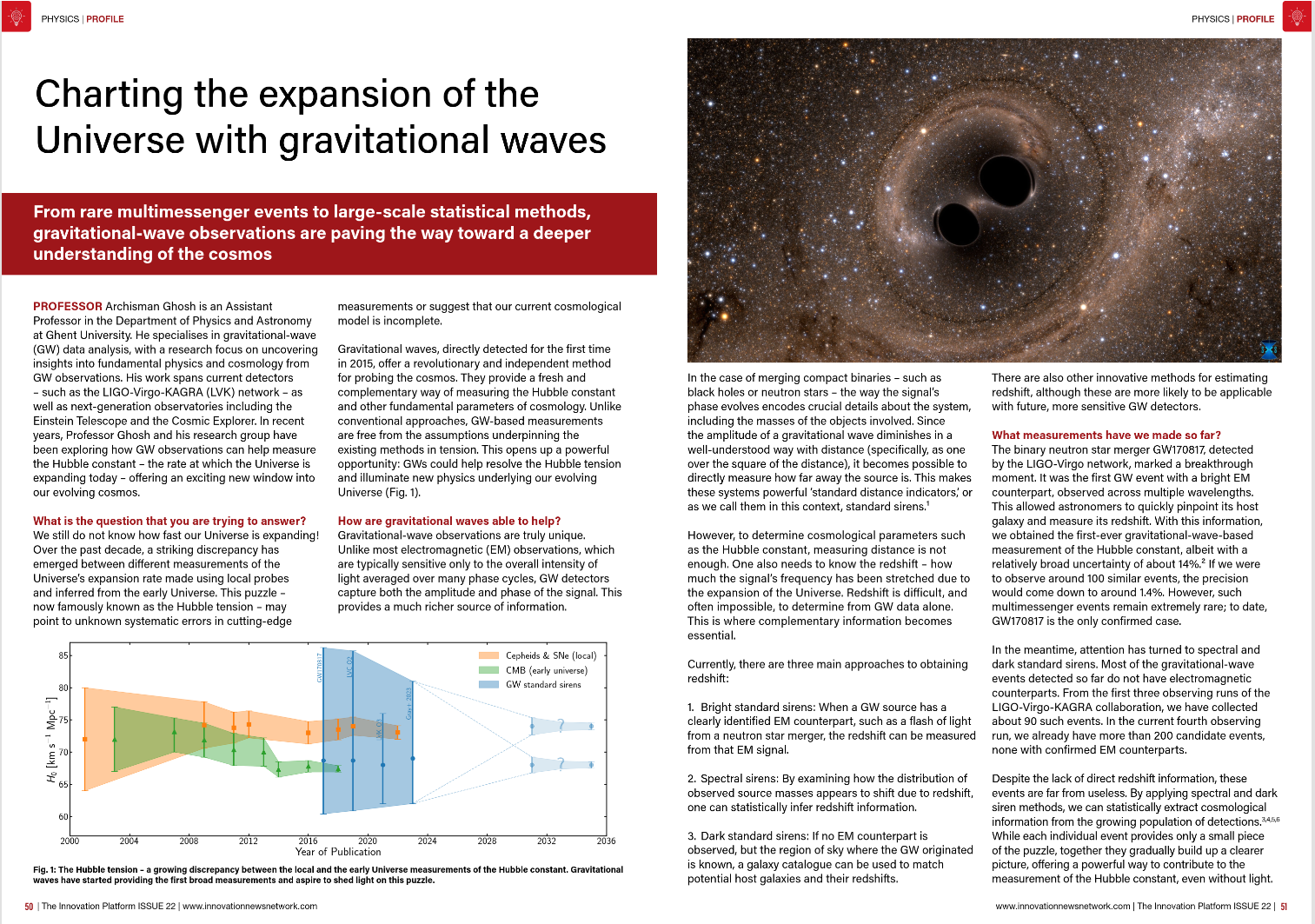
2025 June 03: The Innovation News Network article “Charting the expansion of the Universe with gravitational waves” describes the recent research of students Khuzaifa Naveed, Cezary Turski, Freija Beirnaert, former postdoc Gergely Dálya, and Archisman Ghosh.
2025 April 09: UGent postdoc Daniela Pascucci is elected as a chair of the Virgo Climate and Sustainability Committee.
2025 March 31: UGent postdoc Daniela Pascucci is selected as a co-chair of the Input-Output Optics work package of the Instrument Science Board (ISB) of the Einstein Telescope Collaboration.
2024 May 15: Ghent University hosts a Gravitational Wave and Einstein Telescope Showcase event to highlight its research in connection to gravitational-wave science and the Einstein Telescope, which now spans three departments across the Faculty of Sciences and the Faculty of Engineering.
2024 April 04: “The world’s largest telescope might be built in Belgium” — read the article by Ineke Imbo on durfdenken.be.
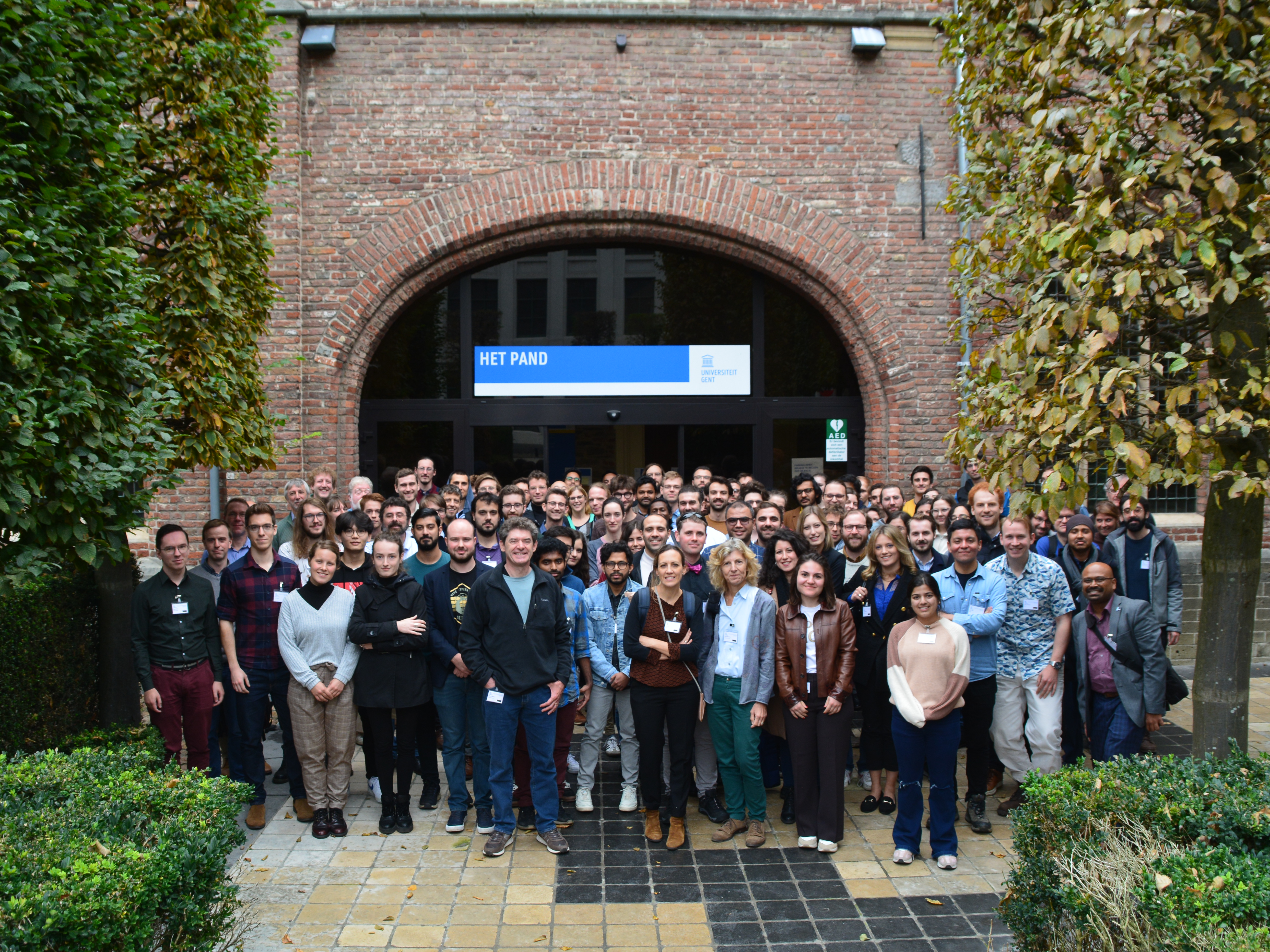
2022 October 14: Ghent University hosts a very successful two-day Belgian-Dutch Gravitational Wave Meeting with more than 100 participants and around 50 contributions.
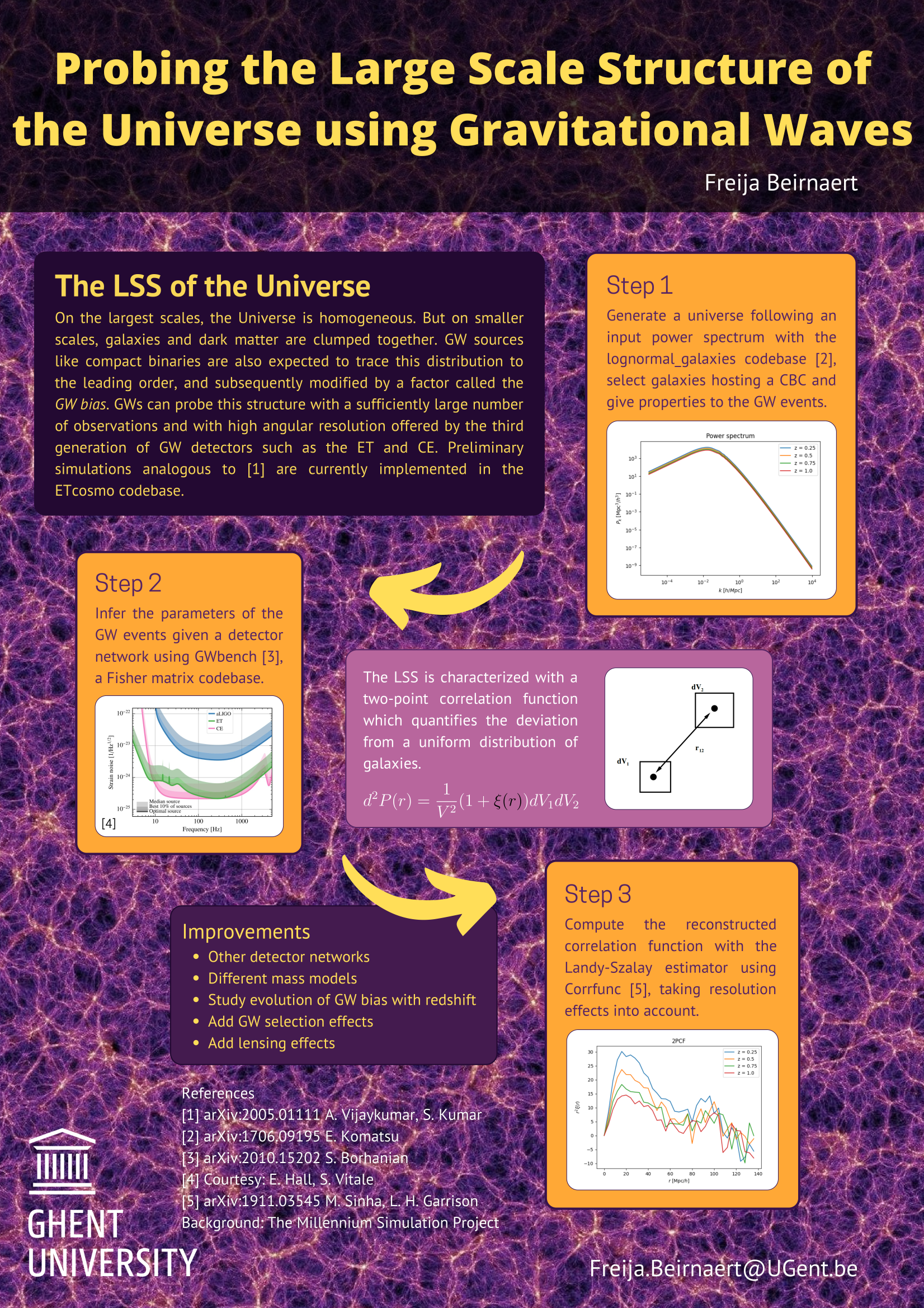
2022 September 15: PhD student Freija Beirnaert wins best poster prize in category Data Analysis / Astronomy at the LIGO-Virgo-KAGRA Collaboration Meeting in Cardiff, 12-15 September 2022.
2022 July 08: Masters student Sibe Bleuzé wins the Armand Pien Prize for the best masters thesis in Astronomy for the academic year 2021-22 in the Department of Physics and Astronomy, Ghent University. Working under the supervision of postdoc Gergely Dálya, Sibe developed an infrastructure to extract physical information about a supernova explosion from the signature observed in gravitational waves. Gravitational-wave observation of a core-collapse supernova could be the next major discovery by the LIGO-Virgo-KAGRA detector network. Since the explosion mechanism cannot be precisely modelled, there is a big disconnect between the physical properties such as mass of the stellar progenitor and the gravitational-wave signal itself. Using state-of-the-art machine learning and Bayesian techniques, Sibe’s work closes this gap. The research will prove itself to be of fundamental importance if a supernova is discovered as the gravitational-wave detectors are turned on again for the next observing run.
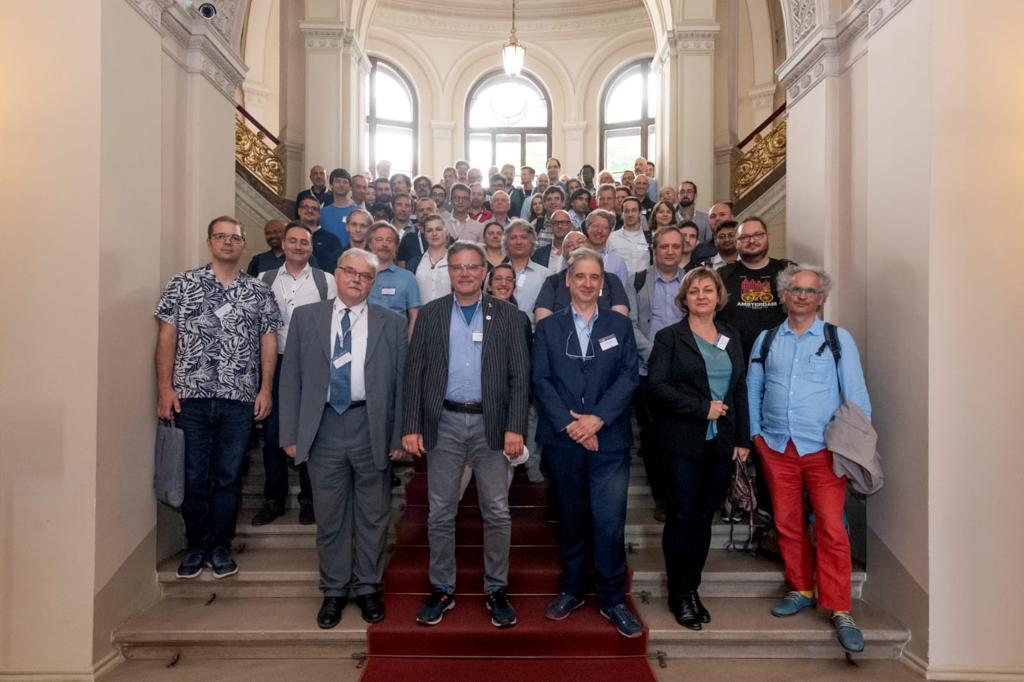
2022 June 09: The Einstein Telescope Collaboration is established at the 12th Einstein Telescope Symposium in Budapest, 7-8 June 2022 [NEWS]. Ghent University is one of the seventy or so initial members of the Einstein Telescope Collaboration.
2021 November 18: Ghent Gravity Group hosts a Gravitational Wave Day with members across different research groups of the Department of Physics and Astronomy and the Department of Solid State Sciences in Ghent University and a few members from the ETpathfinder team in Maastricht Univerisity. The meeting seeks to develop and build research collaborations.
2021 November 07: Following its third observing run, the LIGO-Virgo-KAGRA Collaboration circulates its most up-to-date measurement of the Hubble constant, the local rate of expansion of the Universe, using gravitational waves. Ghent University researchers have played a central role in obtaining these results. You can read the scientific preprint submitted to the Astrophysical Journal or the public science summary following the links.